Indoor plants bring vibrant beauty to our homes, but they require proper care and timely transplanting to stay healthy and thriving. Knowing when and how often to transplant is crucial to avoiding unnecessary stress for your plants. Here are the main signs that your indoor plant needs a transplant:
1. Roots Emerging from Drainage Holes
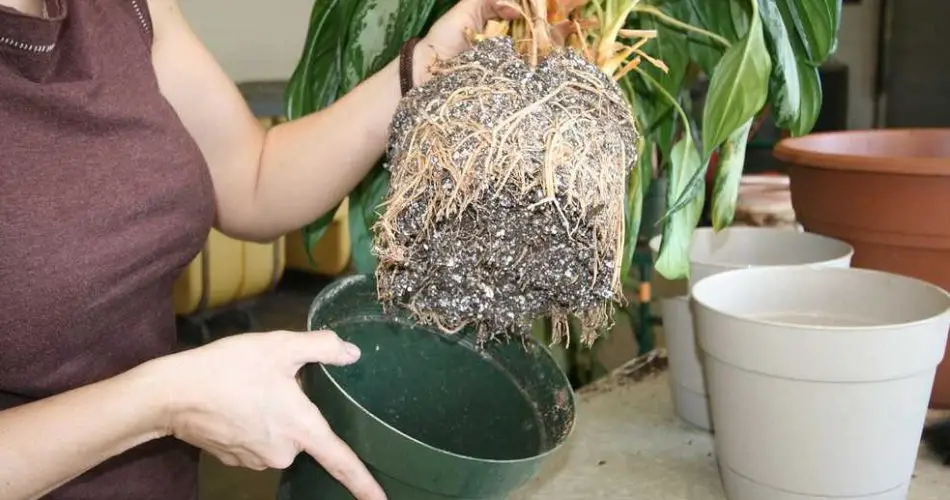
If you notice that roots are growing out of the drainage holes in the pot, it’s a clear indication that the plant has outgrown its container. This root growth shows that the plant is becoming root-bound and needs more space.
2. Dry and Depleted Soil
When the soil becomes extremely dry and depleted, it often means that the plant’s roots have used up the nutrients and water in the pot. This condition signals that it’s time for a transplant to replenish the soil and provide fresh nutrients.
3. Pot Looks Too Small
If the plant appears too large for its current pot and hasn’t been repotted in a long time, it’s time for a change. An overcrowded pot can hinder growth and affect the plant’s health.
Repotting Frequency Tips
To ensure your plants stay healthy and vibrant, follow these general guidelines for repotting:
- Small Indoor Plants: For plants in pots up to 25 cm in diameter, repot every 12-24 months. This regular upkeep will keep the plant in a suitable growing environment.
- Large Indoor Plants: For larger plants in pots 25 cm or more in diameter, repot every 24-48 months. Larger plants need less frequent repotting due to their slower growth rate.
Remember, transplanting isn’t just about changing the pot; it also involves refreshing the soil and ensuring the plant has enough space to grow. By following these signs and tips, you can maintain healthy and flourishing indoor plants throughout the year.