Causes of Rot in Zucchini
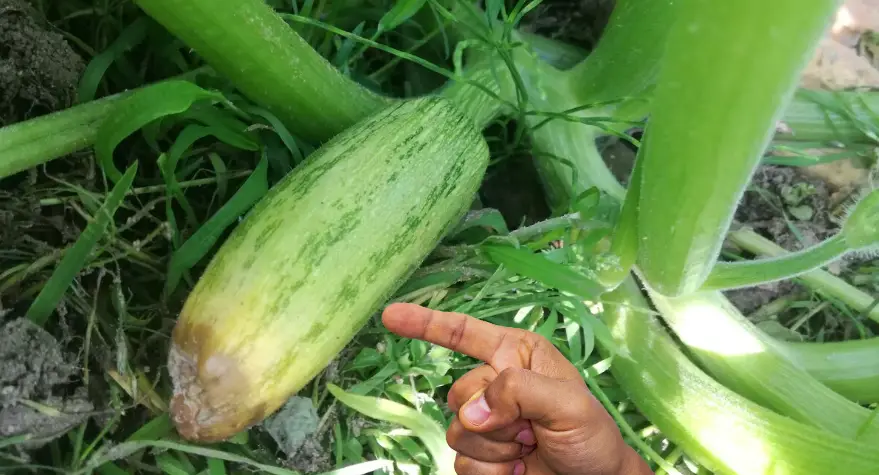
Rot in zucchini may not occur frequently, but it’s crucial to understand the underlying causes when it does. Identifying the factors contributing to this issue can help you address potential problems in zucchini growth and prevent rot from taking hold.
Common Factors Leading to Rot
Zucchini, like other vegetables, cannot tolerate excessive moisture in the soil. Insufficient light before harvest can also lead to problems. Additionally, a shortage of essential nutrients can contribute to rot.
Effective Methods for Curing Rot
Once you’ve identified the cause of the rot, you can take steps to remedy the situation. If the rot is not due to excessive moisture, consider using calcium nitrate. Prepare a solution with 20 g of saltpeter per 10 liters of water. Ensure the leaves are dry before applying this treatment.
Another effective option is boric acid, using 1 gram per 1 liter of warm water. This solution can be applied to the sprouts leading up to the cob.
In more severe cases, potassium sulfate can be beneficial. It acts as a stimulant, promoting the growth of new flowers and buds.
Natural Remedies for Curing Rot
Wood ash is a popular natural remedy for combating rot in zucchini. To prepare this treatment, mix 3 tablespoons of ash with 1 liter of water and allow it to steep for an extended period before use.
Summary
By understanding the causes of rot in zucchini, you can select appropriate remedies. Treatments based on calcium nitrate, boric acid, potassium sulfate, or wood ash can effectively address the issue. Follow these recommendations to ensure the healthy growth and productivity of your zucchini!