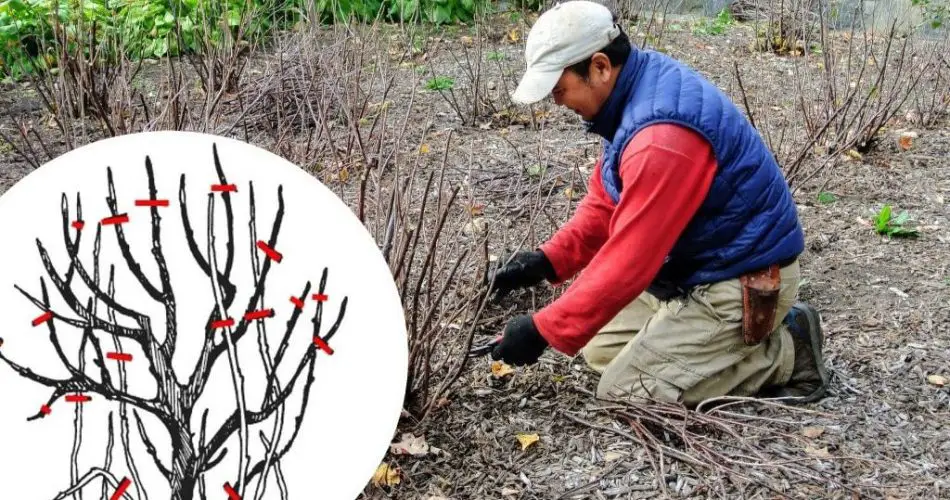
Pruning your currant bushes before winter is crucial for ensuring a healthy harvest. Proper trimming encourages optimal growth, strengthens the plants, and enhances fruit production. By following a few key pruning principles, you can ensure your currants thrive in the upcoming season.
Why Is Pruning Important?
Pruning is an essential practice that promotes strong growth and high fruit yields. A thorough trim removes dead or damaged branches, helps control the shape of the bush, and encourages better airflow. The pruning method popularized in the 1970s remains effective today, ensuring a rich harvest of currants.
Basic Rules for Pruning Currants
To achieve the best results, follow these simple but important steps:
1. Select the Right Branches
- Focus on trimming about 30% of the older, wooden branches (the third-year branches or older).
- For younger, first-year branches, leave 40% of them untouched to maintain healthy growth.
- Prune the remaining branches to ensure a balanced structure.
2. Remove Low-Hanging Branches
- Branches that touch the ground should be carefully trimmed. These low-lying branches tend to be weaker and less productive, which can reduce the overall harvest.
- Be careful not to trim them back to the root—cut just enough to promote healthier growth.
3. Thin Out Excess Growth
- Remove any excess growth from the lower branches of the bush, especially those near the ground.
- Trim back two or three of the longest branches to allow space for better air circulation and light penetration.
4. Be Gentle with Young Growth
- If you’re pruning young currants for the first time, avoid cutting back too much. Excessive trimming can harm the natural growth pattern of the bush. Aim for minimal trimming to shape and promote strength without stunting its development.
Conclusion
By following these simple pruning rules, you can ensure your currant bushes are well-prepared for the winter and set the stage for a successful harvest next season. Remember, proper care and timely pruning will help your bushes stay healthy, produce more fruit, and thrive year after year.