Hydrangeas are beautiful, and you can easily multiply them from cuttings. Nursery experts share the best method to reproduce them infinitely.
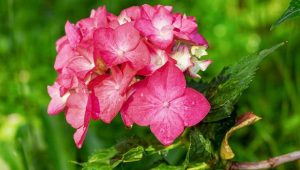
Do you want to multiply hydrangeas starting from a cutting? It’s simpler than you think! With a pinch of green thumb and a few simple steps, you can do it. Here’s how, according to expert nurserymen.
How to Multiply Hydrangeas from Cuttings
Multiplying hydrangeas through cuttings is an effective way to get new plants from existing ones. This method, if done correctly, allows you to successfully propagate this beautiful ornamental plant.
Choosing the Right Time
The best seasons to take cuttings are spring or autumn, when the plant is actively growing. Select a healthy, robust mother plant, ideally with young, vigorous lateral branches.
Taking the Cuttings
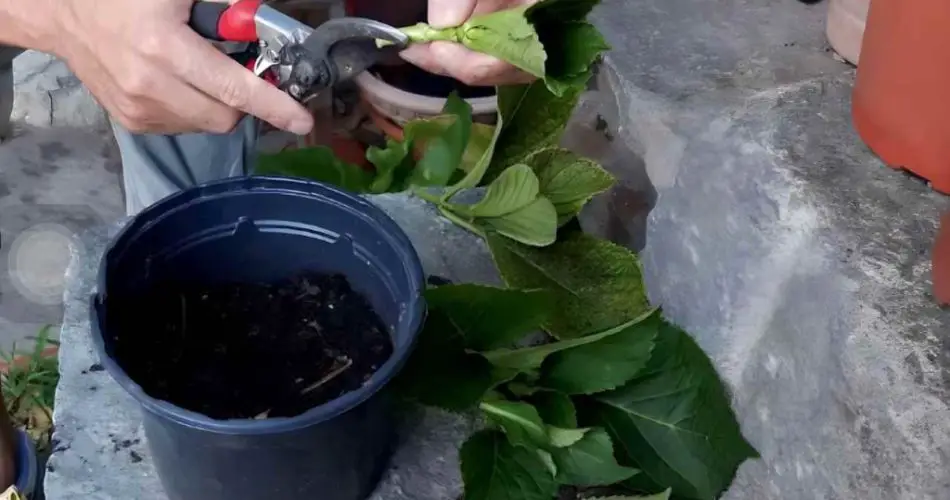
Once you’ve found a suitable mother plant, cut a side branch about 10-15 centimeters long, preferably with two or three nodes. Use a sharp knife or clean, disinfected garden shears to prevent spreading disease.
Preparing the Cuttings
After taking the cuttings, prepare them to encourage rooting. Remove the basal leaves, leaving only those at the top. If the leaves are large, trim them slightly to reduce moisture loss.
Using Rooting Hormone
Dip the base of the cuttings in powdered rooting hormone, following the manufacturer’s instructions. This encourages root development and speeds up the rooting process.
Planting the Cuttings
Place the cuttings in a light, well-drained medium, such as a peat and perlite mixture. Put them in a container or plastic box, keeping at least 5 centimeters between cuttings. Cover the container with a clear plastic bag or use a greenhouse to create a humid, controlled environment.
Caring for the Cuttings
Place the cuttings in a bright area, but avoid direct sunlight. Keep the soil constantly moist, but don’t overwater to prevent root rot.
Root Development
After a few weeks, the roots will start to develop, and the cuttings will take root. This usually takes two to four weeks, depending on environmental conditions and the hydrangea variety.
What to Do After the Cuttings Have Rooted
Once the hydrangea cuttings have rooted well, they can be transplanted into individual pots or directly into the ground. Choose a location with good sunlight and prepare the soil with humus or compost for healthy growth.
Caring for Young Plants
During the first few months, young plants need special care. Keep the soil moist, but not too wet, and protect the plants from strong winds or extreme temperatures.
By following these steps, you can multiply your hydrangeas successfully and enjoy their beauty in your garden for years to come.