Kalanchoe is a popular decorative succulent known for its vibrant flowers and easy care. However, you may occasionally face issues with your plant not blooming. Various factors can contribute to this problem, and here are some common reasons and solutions to help your Kalanchoe thrive.
1. Insufficient Lighting:
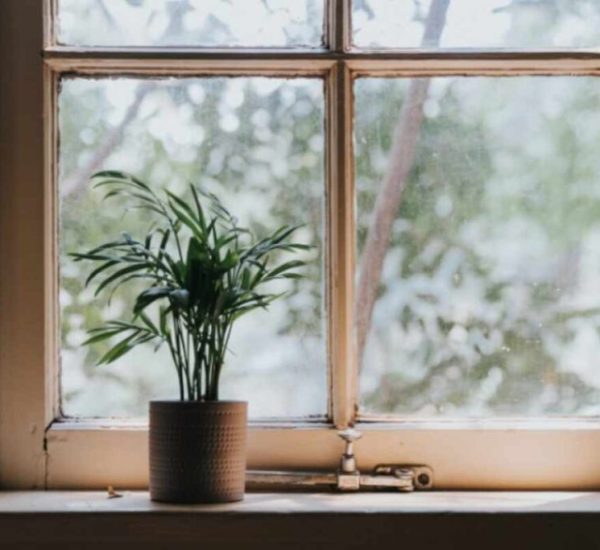
Kalanchoe requires bright sunlight for 8-9 hours daily. Without adequate light, the plant may develop elongated shoots and smaller leaves. During winter, supplement natural light with grow lights or phytolamps to ensure your plant gets enough exposure.
2. Untimely Feeding:
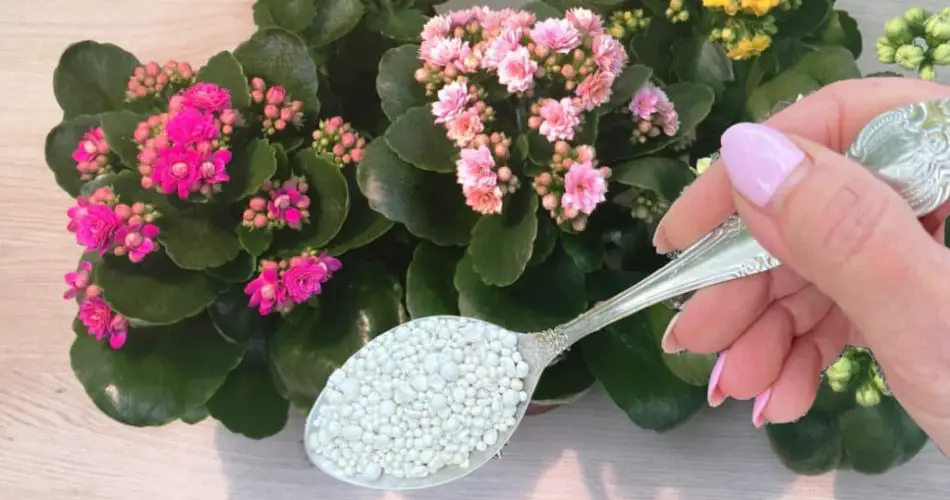
Proper nutrition is crucial for blooming. If you observe slow growth or dull leaves, your Kalanchoe might be lacking essential nutrients. Use balanced fertilizers designed for succulents or cacti to provide the necessary nourishment.
3. Improper Watering:
While Kalanchoe can tolerate drought, overwatering is detrimental and can lead to root rot. Water the plant only when the top layer of soil is completely dry. Ensure proper drainage to prevent excess moisture.
4. Temperature Irregularities:
Maintain an optimal temperature for your Kalanchoe: 20-25°C (68-77°F) in summer and 15-18°C (59-64°F) in winter. Deviations from these temperatures can stress the plant and hinder flowering.
5. High Air Humidity:
Kalanchoe prefers low humidity. Excess moisture in the air can encourage fungal diseases. Ensure good ventilation and avoid placing the plant in overly humid environments.
6. Lack of Rest Period:
After blooming, Kalanchoe needs a rest period. Remove wilted flowers and allow the plant to recover in a cooler, less bright location. This rest period is essential for preparing the plant for its next flowering cycle.
By following these guidelines, you can help your Kalanchoe remain healthy and enjoy its beautiful blooms throughout the year.