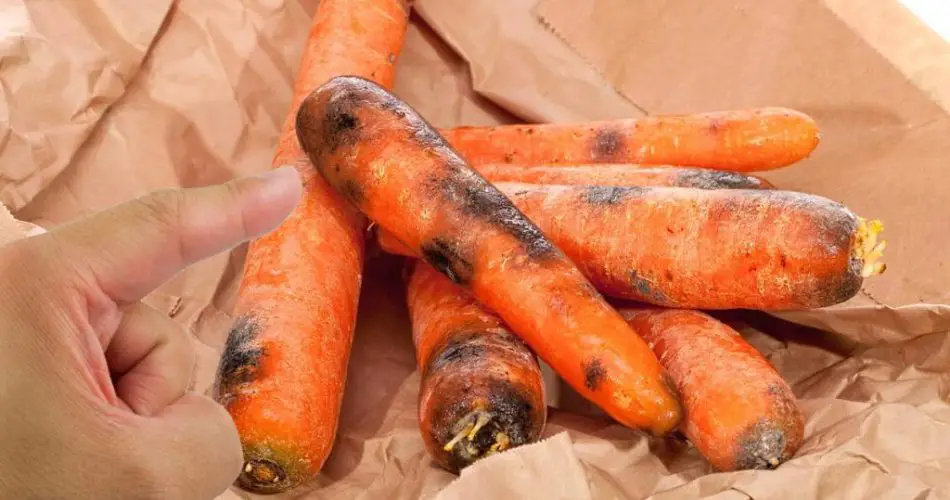
Carrots are a staple in many households, but they often face the challenge of rotting when stored in the basement. Let’s explore the main causes of rotting and the best practices to keep carrots fresh until spring.
Common Reasons for Carrot Rot
- Excessive Humidity
Carrots are sensitive to high humidity. If harvested and stored in overly damp conditions, they may lose moisture and create an environment ideal for bacterial growth, leading to rot. - Temperature Fluctuations
Carrots require stable temperatures for proper storage. Sudden changes can stress the root vegetables, making them more susceptible to decay. - Fungal Diseases
Diseases like white rot can infect carrots during growth and persist during storage. These infections often go unnoticed until they worsen. - Physical Damage
Mechanical damage to carrots, such as bruises or cuts during harvest, provides entry points for infections and accelerates spoilage.
How to Keep Carrots Fresh Longer
- Prepare Before Storing
Thoroughly dry the carrots before storage. Sort and remove any damaged or diseased ones to prevent the spread of rot. - Maintain Optimal Conditions
Store carrots in a cool, dark place with a temperature of 0–2°C and humidity around 90%. These conditions help maintain freshness and prevent dehydration. - Prevent Diseases
To minimize the risk of fungal infections, treat the carrots with antifungal preparations before storing. - Inspect Regularly
Frequently check your stored carrots for signs of rot. Remove any affected vegetables promptly to prevent the issue from spreading.
Key Takeaways
By focusing on preparation, proper storage conditions, and regular monitoring, you can keep your carrots fresh and crisp all winter long. Paying close attention to these simple yet effective practices ensures a successful harvest storage season every year.
With these tips in mind, your carrots will remain in excellent condition until spring, ready to be enjoyed in a variety of dishes!
Show Comments