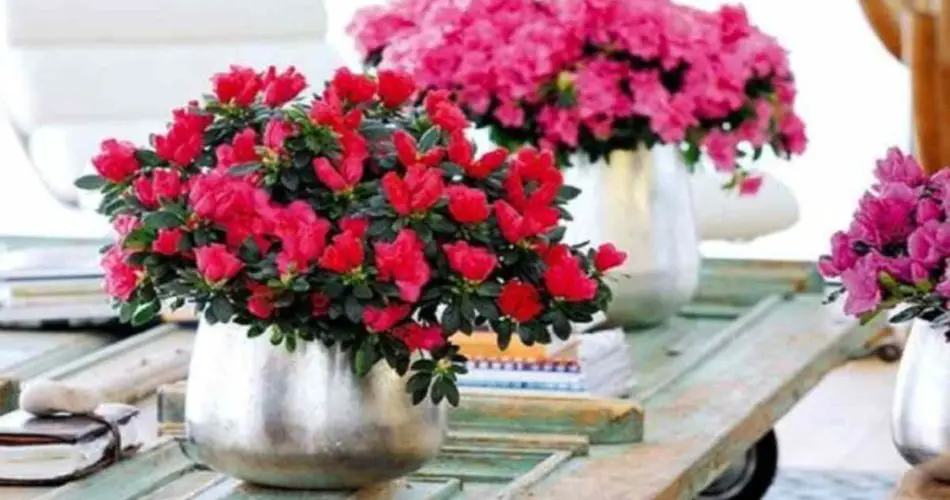
Azaleas are beloved for their vibrant colors and elegance, often gracing homes as a symbol of celebration, particularly on Mother’s Day. While they are robust and beautiful, they require careful attention—especially right after purchase. Here’s a step-by-step guide to help your azalea thrive indoors.
The Importance of Transitioning Your Azalea
When you bring an azalea home, it’s essential to ensure the plant doesn’t suffer from environmental shock. The transition from a nursery to your home can be stressful for the plant, so taking proper precautions is key.
Step 1: Isolate Your Azalea
After bringing your azalea home, isolate it for at least two weeks. This allows you to check for any signs of pests or diseases that could harm not only the azalea but also your other plants. Regularly inspect the soil and leaves during this period for any abnormalities.
Step 2: Create the Perfect Environment
Azaleas are sensitive to temperature fluctuations and environmental changes. Follow these tips to ensure they adapt well:
- Avoid Sudden Changes: Place the plant in a spot where the temperature remains stable and avoid areas that are excessively humid.
- Choose the Right Room: Bathrooms or kitchens are ideal due to their natural humidity, but ensure there are no drafts.
- Light Needs: Azaleas need indirect light, particularly during the hottest parts of the day. An east-facing windowsill that captures gentle morning light is perfect.
- Avoid Heat Sources: Keep the plant away from radiators, air conditioners, and other heat sources.
Step 3: Establish a Permanent Spot
After the adjustment period, find a permanent place for your azalea. Consistency is crucial for this plant, which thrives in stable environments. A humid room with filtered light is ideal, but avoid over-humidifying to prevent fungal issues.
Step 4: Repotting Your Azalea
Repotting is essential for long-term health. Here’s how to do it:
- Timing: Wait until the adjustment period is over before repotting.
- Pot Selection: Choose a pot slightly larger than the current one.
- Soil Type: Use a soil mix designed for acid-loving plants, such as azaleas. Add perlite or vermiculite to improve drainage and prevent root rot.
- Benefits: Proper soil and potting not only enhance the plant’s vigor but also encourage more vibrant flowering.
Care Tips for a Healthy Azalea
- Monitor Light Levels: Ensure your azalea gets plenty of light without being exposed to harsh sunlight.
- Humidity Matters: Maintain moderate humidity levels to keep the plant comfortable.
- Regular Checks: Periodically inspect the plant for pests or signs of stress, such as yellowing leaves or wilting.
Conclusion
With proper care, your azalea can become a vibrant and lasting centerpiece in your home. From careful isolation to creating a stable environment and thoughtful repotting, every step you take will ensure your plant thrives. Follow these tips, and your azalea will reward you with its stunning beauty and lush blooms for years to come.