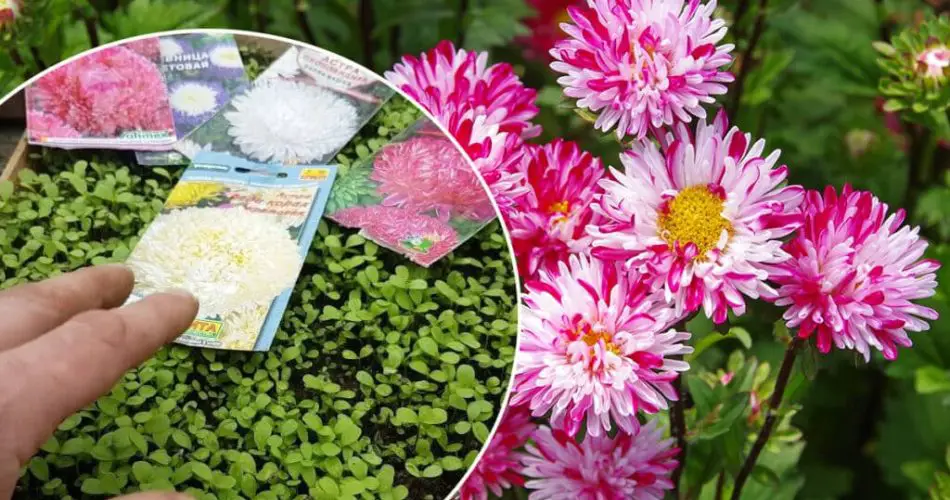
Asters are more than just flowers; they are a burst of color that brightens up gardens in the autumn, when many other plants have faded. With their stunning range of shades—from soft blues to deep purples—asters can add a touch of brilliance to any garden. Fortunately, growing asters from seeds is an accessible and straightforward process that even beginners can master. Here’s a guide to ensure you successfully sow and grow these beautiful blooms.
Seed Preparation
- Obtain Seeds: Aster seeds can be purchased from garden centers or collected from last year’s plants.
- Treat Seeds: Before sowing, it’s crucial to treat seeds with an antiseptic solution to prevent disease. Then, soak them in warm water for about 12 hours to enhance germination.
Sowing Seeds
- Prepare Containers: Use containers or pots filled with a light, nutrient-rich soil mix. An ideal blend consists of sod, leaf, and humus soil in a ratio of 2:1:1.
- Sow Seeds: Place the seeds on the surface of the soil and lightly sprinkle with a small amount of soil. Water the seeds gently to moisten the soil.
- Germination: Under optimal conditions of temperature and humidity, seeds should germinate within 7-14 days. To expedite germination, soaking seeds before planting can be beneficial.
Timing for Planting
- For Indoor Seedlings: To have asters blooming by September 1, start planting seeds indoors in late February to early March. This allows the seedlings to develop properly before the flowering season.
- For Outdoor Sowing: If you plan to sow asters directly into the garden, do so in April to May, after the threat of frost has passed.
Planting in Open Ground
- Choose Location: Select a well-lit area with fertile soil for planting. Asters thrive in sunny spots and require nutrient-rich soil for optimal growth.
- Sow Seeds: Spread the seeds on the soil surface or plant them at a shallow depth. Maintain an appropriate distance between seeds to prevent overcrowding.
- Temperature Considerations: Asters do not tolerate frost, so ensure planting is done when temperatures are consistently positive.
Care and Maintenance
- Monitor Growth: Regularly check the seedlings and ensure they have adequate water and nutrients. Provide support if necessary to prevent the plants from falling over.
- Protect from Frost: Be mindful of late frosts and protect young plants if needed.
By following these guidelines, you can successfully grow asters from seeds and enjoy their spectacular blooms throughout the autumn. Proper seed preparation, timing, and planting techniques are key to cultivating healthy asters. With a bit of care and attention, your garden will be adorned with the vibrant colors of these delightful flowers.