Eco-Friendly Solutions to Bid Farewell to Wasp Nests on Your Balcony or Terrace

Are you looking for safe, eco-friendly ways to remove wasp nests from your balcony or terrace? Discover some natural remedies and popular methods that will help you say goodbye to wasps without harming them.
Managing Wasp Nests Responsibly
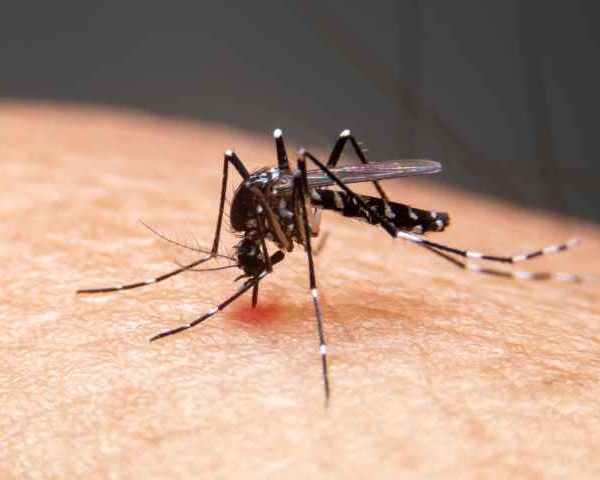
While wasp nests can be a cause for concern due to the risk of stings, it’s important to remember the vital role wasps play in the ecosystem. Eco-sustainable methods for removing wasp nests ensure the safety of both humans and the environment.
Here are some eco-friendly methods to keep wasps away from your balcony or terrace:
- Repellent Essential Oils: Essential oils like rosemary, peppermint, or eucalyptus emit scents that repel wasps. Place a few drops of essential oil in a diffuser or container of water and position it on your balcony or terrace to deter wasps naturally.
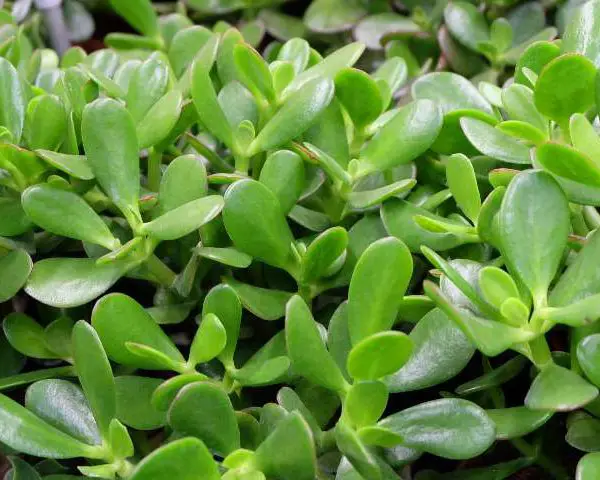
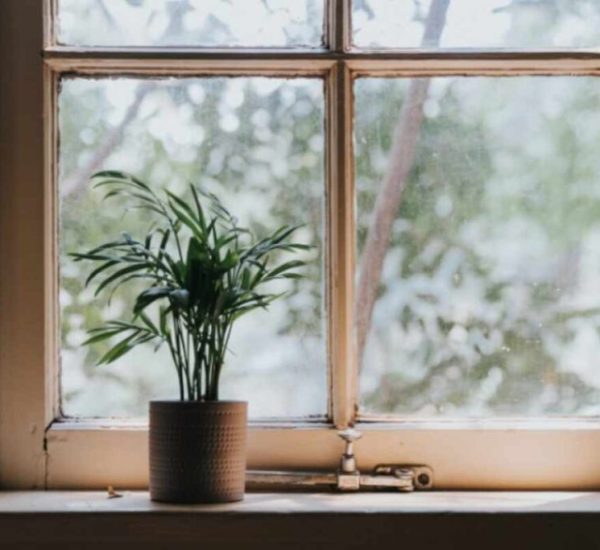
- Repellent Plants: Aromatic plants such as lavender, basil, or lemongrass act as natural wasp repellents. Planting these herbs in pots near the infested area can help keep wasps at bay.
- Colored Plastic Bottles: A popular method involves placing transparent plastic bottles filled halfway with sugar water on your balcony or terrace. The light reflected from these bottles can confuse wasps and discourage them from building nests nearby.
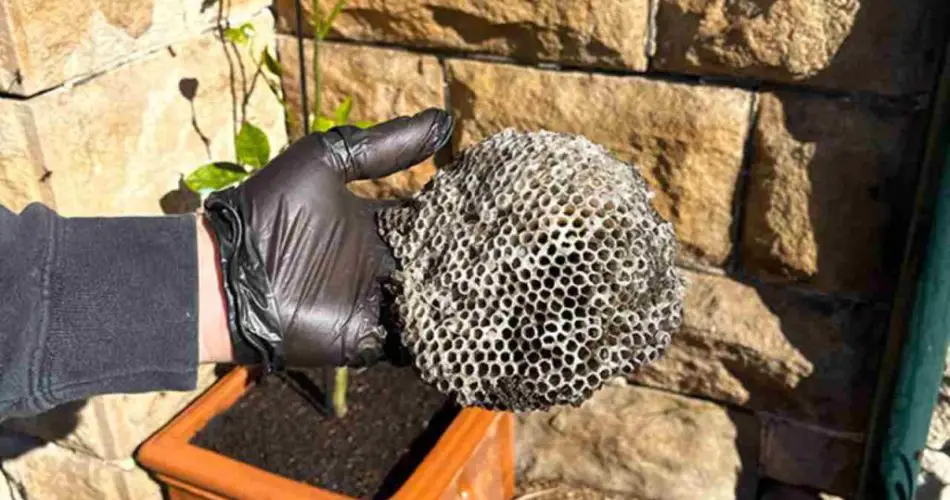
- Fake Wasp Nests: Wasps avoid areas already occupied by other nests. Create fake nests using paper or similar materials and place them in different parts of your balcony or garden to deter wasps from settling in those areas.
- Running Water: Wasps are attracted to standing water, so installing a small fountain or keeping a source of running water on your balcony or deck can discourage them from frequenting the area.
- Protective Net or Screens: Installing a net or protective screens around your balcony or terrace can prevent wasps from accessing the area while allowing airflow.
- Regular Cleaning: Keep your balcony or terrace clean and free of food or drink residues, as wasps are attracted to food odors.
Remember, while these methods are effective for deterring wasps, it’s crucial to seek assistance from qualified specialists for safe removal of wasp nests. Removing nests without proper experience can be hazardous, and specialists have the necessary skills and equipment to manage the situation responsibly, minimizing risks to both humans and the environment.