After currant and gooseberry bushes have finished bearing fruit, they require proper feeding to prepare for the next season. The best time to fertilize these bushes is in the fall, as this supports the development of next year’s crop and strengthens the plants for the winter months. Here’s how to properly feed your gooseberries and currants post-harvest.
How to Feed Gooseberries After Harvesting
- Prune the Bushes: Start by cutting off any dry or old branches to improve air circulation and encourage healthy growth.
- Prepare the Ground: Lightly dig around the base of the bushes to loosen the soil, making it easier for the nutrients to be absorbed.
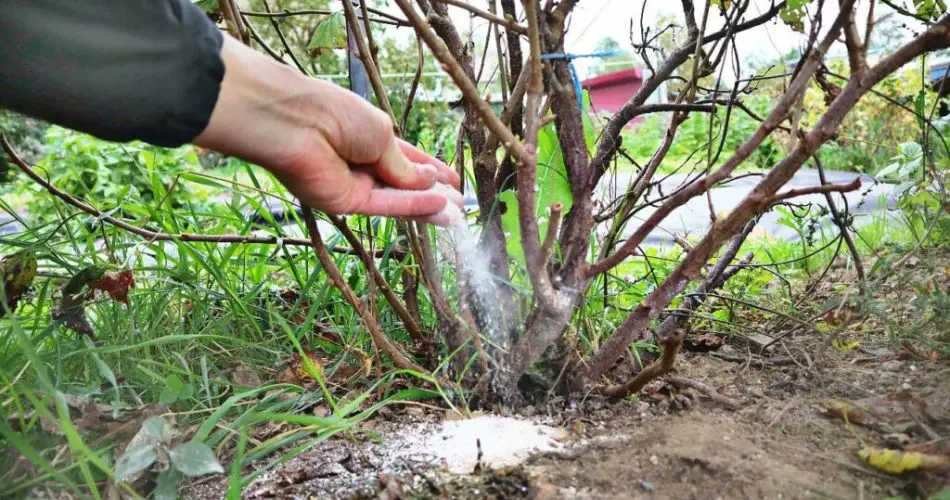
- Fertilizing with Superphosphate: Apply two tablespoons of superphosphate per bush. This fertilizer helps protect the gooseberries from frost and prevents fungal diseases.
- Add Potassium or Ash: To boost the soil’s nutrient content, add 20 grams of potassium sulfate or 1000 grams of wood ash per 1 m². These add potassium and other essential minerals that improve plant health and fruit production.
- Manure and Organic Fertilizers:
- You can also apply animal manure to feed the bushes. Half a bucket of well-rotted manure per bush is ideal.
- Alternatively, mix 40 grams of potassium sulfate with 15 kg of rotted humus and use this mixture as mulch around the base of the bushes to provide organic nutrients.
- Using Liquid Fertilizers: A liquid fertilizer made from chicken droppings (15 parts water to 1 part droppings) or mullein (10 parts water to 1 part manure) can be used for watering the plants.
How to Feed Currant Bushes After Harvesting
- Phosphorus and Potassium Fertilizers:
- In late September, currants should be fed with phosphorus and potassium fertilizers. Add 30 grams of superphosphate and 15 grams of potassium sulfate around the root zone (stem circle) of each bush.
- Alternatively, you can use 800 grams of chicken droppings per 1 m² and dig it into the soil.
- Watering with Liquid Fertilizer:
- A liquid fertilizer made from chicken droppings can also be used. Mix 15 parts water to 1 part droppings and water the rows of currants with the solution to provide extra nourishment.
- Pre-Watering: Before applying any fertilizer, ensure that the ground is well-moisturized. This helps the plant absorb the nutrients more effectively.
- Humus Application:
- In October, apply half a bucket of humus under each bush. This provides a steady source of organic matter and helps improve soil structure.
- Complex Fertilizer Mix:
- Mix 40 grams of potassium salt, 60 grams of superphosphate, and 15 kg of rotted humus. This complex fertilizer is perfect for one currant bush and supports its root and shoot development.
- Fungal and Disease Prevention:
- To protect the plants from diseases, you can spray currants with a solution made from:
- 3 grams of boric acid
- 5 grams of potassium permanganate
- 40 grams of copper sulfate Mix these in a bucket of water and apply as a foliar spray.
- To protect the plants from diseases, you can spray currants with a solution made from:
- Potato Skin Fertilizer: Another organic option is to fill a liter jar with potato skins, cover it with boiling water, and let it cool. Once cooled, pour this liquid fertilizer around the stem circle to give the bush a nutrient boost.
Conclusion
Proper fall fertilization is essential for ensuring healthy currant and gooseberry bushes that will yield well the following season. By using a combination of phosphorus, potassium, organic manure, and specialized fungal treatments, you can keep your plants strong, reduce disease risk, and improve the overall harvest in the years to come.
Show Comments