Cultivating pepper can be quite capricious, so following the lunar calendar’s guidance can help ensure success.
Ideal Conditions for Growing Seedlings
For optimal growth, choose peaty, fertile soil with a neutral pH. The daylight should last at least twelve hours, and seedlings should be planted when the soil warms up to 16 degrees Celsius. Be aware that pepper stops growing at 14 degrees. This plant thrives in moisture, so avoid letting the soil dry out completely. Remember, cultivation methods may vary based on variety, climate, and soil conditions.
Transplanting Guidelines
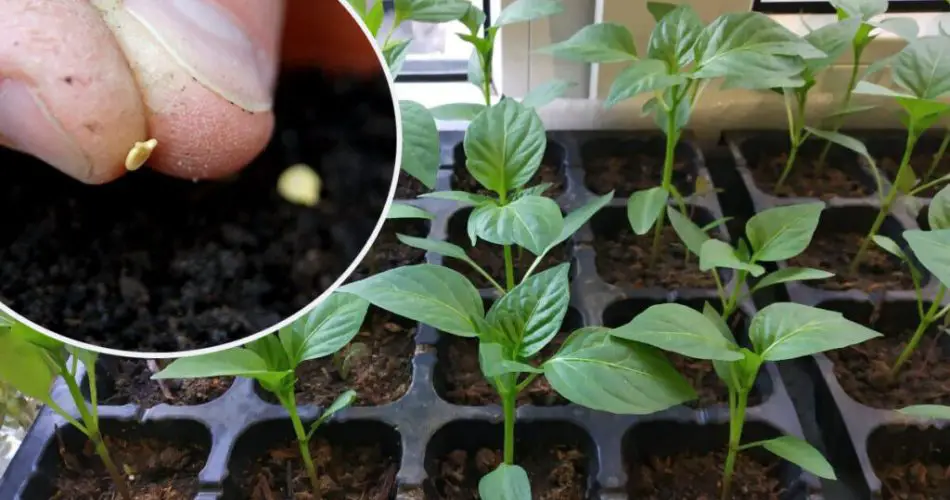
Pepper seedlings are typically transplanted to outdoor beds from mid-May to the beginning of June. For greenhouses, transplant in mid- or late April. Seedlings should be moved to open ground when they are about 65 days old after sowing. If you’re starting from seeds, sow them in February, but for direct sowing in open ground, wait until March.
Lunar Influences on Growth
Understanding the moon’s phases can greatly impact your planting success. During the waxing moon, growth processes accelerate, allowing moisture to be retained in the roots. This is an ideal time for planting moisture-loving crops like pepper. Conversely, during the waning moon, the focus shifts to root growth, making it more suitable for root vegetables. Avoid planting during the new moon, as it’s best to delay garden activities during this phase.
Recommended Sowing Days
Good days in February for sowing pepper:
- 3-4
- 7-14
- 22-23
Good days in March for sowing pepper:
- 6-8
- 10-13
- 15-17
- 21-23
- 29-30
By following these guidelines and considering the lunar calendar, you can help your pepper plants thrive and yield a bountiful harvest!