When planning your garden, it’s important to strike the right balance with your crop selection. Spring flowers should not be overshadowed by too many crops planted too early, as it could affect their growth and waste valuable space. With new varieties of bulbs available that can be planted in both spring and winter, gardeners can enjoy early crops while ensuring the bulbs remain well-preserved. To help you plant successfully, follow these essential guidelines for planting winter crops.
Key Considerations for Planting Winter Bulbs
Planting winter bulbs requires some careful planning and attention to detail. Here are the most important factors to keep in mind for a thriving garden.
1. The Right Timing for Planting
Understanding the optimal planting time is crucial for success. In many modern regions, the ideal time to plant is either at the end of the harvest season or when the leaf fall begins. In other areas, plant bulbs when the soil temperature reaches between +5°C and +8°C.
Planting too early can result in premature growth of young leaves that will not survive the frost. On the other hand, planting too late may prevent the shoots from establishing strong roots before winter sets in.
2. Preparing the Seedlings
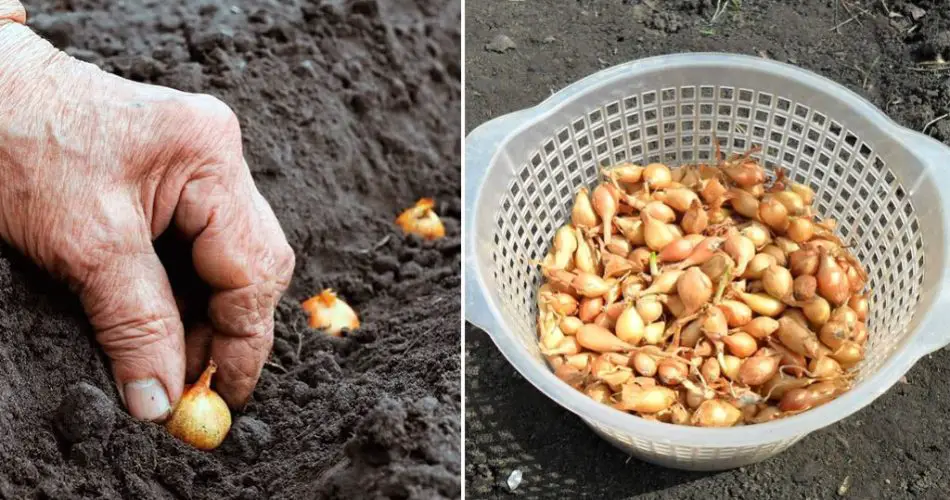
When you receive your bulbs, do not plant them directly into the soil. First, sort through the bulbs, removing any rotten ones or those larger than 2 cm in diameter. This ensures that only the healthiest bulbs are planted, giving you the best chance for success.
3. Preparing the Soil
Choose a well-lit area for planting, ideally one with a slight slope for better drainage. Before planting, clear the area of excess growth such as weeds or leftover plant matter. Then, improve the soil by adding 1 kg of humus and 15 g of superphosphate per square meter. Dig the ground thoroughly to ensure the soil is loose and nutrient-rich.
4. Planting Scheme
For optimal growth, plant the bulbs 4 cm apart in individual holes, with 7 cm between rows. This gives the bulbs enough space to develop strong roots and healthy shoots.
5. Crop Rotation: Avoid Planting in the Same Spot
It’s important not to plant the same crop in one spot for more than two consecutive years. Crop rotation is key to maintaining soil health and ensuring high yields. Avoid planting where crops like chamomile, parsley, potatoes, or legumes were previously grown, as their remnants can negatively affect the new plants’ growth and productivity.
Conclusion: Achieving a Bright and Early Harvest
By following these simple but essential rules, you can ensure a healthy, early harvest of winter crops. With proper timing, preparation, and care, your winter bulbs will thrive and provide vibrant color and delicious produce when spring arrives.
Happy planting, and may your garden flourish with success!