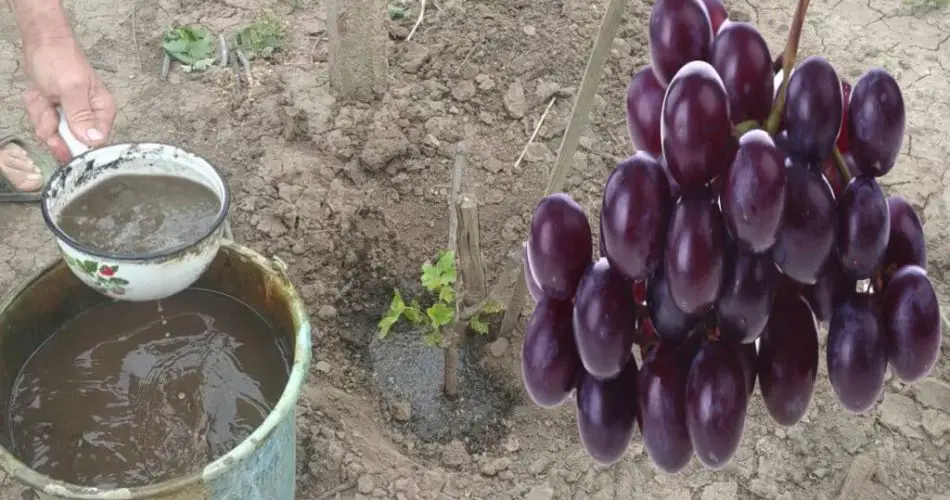
Grapes are cherished not only for their taste but also as a stunning garden adornment. The succulent, aromatic clusters that tantalize the palate become a centerpiece on tables and a vital source of vitamins. Yet, to ensure a bountiful harvest, selecting the right variety and planting location isn’t enough—you must also provide essential nutrition to the vines.
Feeding grapes involves enriching the soil with nutrients crucial for their growth and development. A well-planned feeding regimen ensures:
- Vigorous vine growth: Establishing a robust root system, sturdy shoots, and luxuriant foliage lays the foundation for future yields.
- Enhanced resistance: Healthy plants are better equipped to fend off diseases and pests, improving overall vine longevity.
- Development of large, sweet berries: A sufficient nutrient supply promises not only visually appealing grapes but also juicy sweetness.
Effective methods of feeding grapes
There are several primary groups of fertilizers recommended for grape nutrition:
Organic fertilizers:
- Humus: Among the most economical and effective, applied during soil preparation before planting.
- Compost: Similar to humus, compost can be prepared from organic waste and benefits soil fertility.
- Manure: A potent fertilizer, best applied in autumn during soil preparation due to its concentrated nature.
- Wood ash: Rich in potassium and phosphorus, beneficial during planting and throughout the growing season.
Mineral fertilizers:
- Superphosphate: Contains essential phosphorus for root system development, applied at planting.
- Potassium sulfate: Vital for berry formation, applied during grape flowering.
- Ammonium nitrate: Provides nitrogen for foliage growth, applied twice: initially at seedling emergence and again during budding.
Folk remedies:
- Yeast solution: Promotes plant growth and development; prepared from yeast, sugar, and water and applied at the root.
- Ammonia solution: A nitrogen source; diluted ammonia solution applied at the root.
- Iodine solution: Enhances plant immunity; iodine solution applied over the grapevine.
Tips for feeding grapes:
- Moderation is key: Avoid over-fertilizing to prevent excessive foliage growth at the expense of yield.
- Timing is critical: Apply fertilizers at optimal periods for each type.
- Follow instructions: When using mineral fertilizers, adhere closely to package directions.
- Rotate fertilizers: Prevent soil imbalance by varying fertilizers annually.
By adhering to these practices, you can foster healthy grape growth, ensuring each cluster is not only abundant but also delectably sweet, enriching your garden and table alike.