Bilokrylka: How to Protect the Health of Children
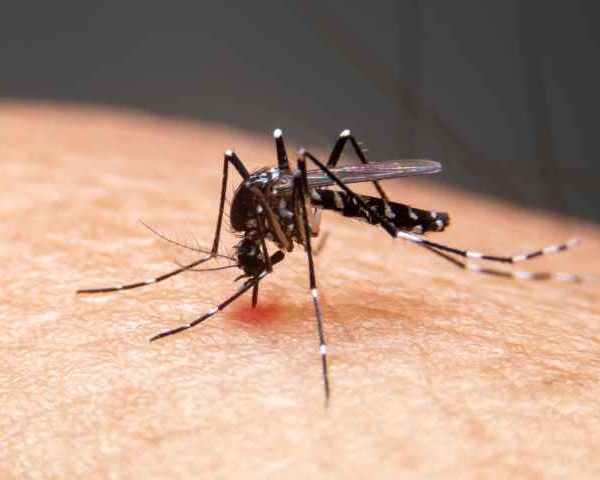
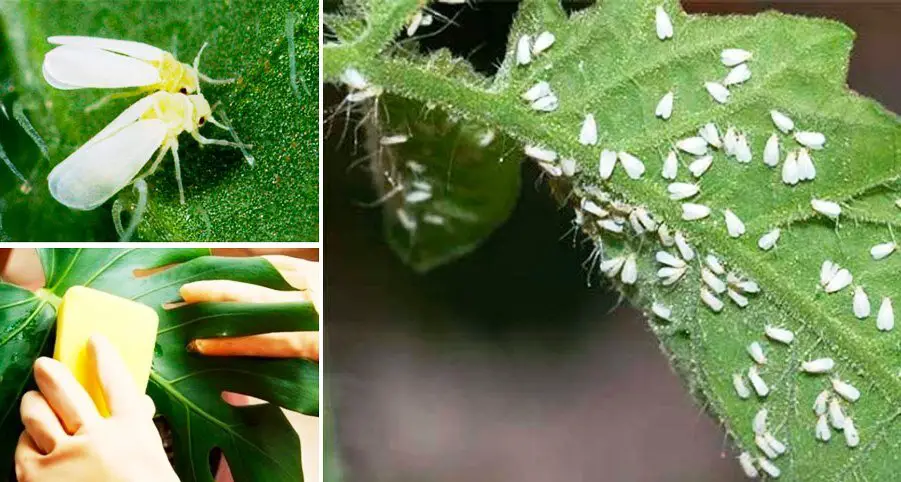
Bilokrylka is a small mosquito that can cause big problems. It feeds on the sap of plants, weakening them and creating the ideal conditions for the development of fungal diseases. Regular intervention is needed not only to prevent mischief but also to safeguard future growth.
Why is White Fungus Not Safe?
- Rapid Reproduction: The white beetle can multiply quickly, increasing its numbers dramatically in a short time.
- Resistance to Chemicals: This insect quickly adapts to insecticides, making it difficult to control.
- Worsening Illness: The presence of copper dew creates a perfect environment for fungi to thrive.
- Plant Damage: After an attack, plants weakened by whiteflies turn yellow and may suffer from deformed wings.
How to Fight White Fungus?
To effectively combat whiteflies, use a variety of methods:
1. Biological Methods
- Beneficial insects: Use entomophages that feed on whiteflies and their eggs.
- Biological products: Preparations based on fungi attack and deplete proteins in the pest.
2. Chemical Methods
- Insecticides: Treat the plants with medications that target the whiteflies.
3. Traditional Remedies
- Garlic infusion: Sprinkle the plants with a garlic infusion to eliminate pests.
- Soap solution: A simple way to remove whiteflies from growing plants.
4. Mechanical Methods
- Sticky pastes: Use sticky glue pastes for trapping mature whiteflies.
- Manual removal: Regularly inspect plants and manually remove pests when necessary.
5. Agricultural Approaches
- Cleanliness in greenhouses: Remove weeds and maintain a clean growing environment.
- Prevention: Choose resistant plant varieties and follow crop rotation rules.
Prevention of Whiteflies
- Inspect plants regularly for signs of pests.
- Isolate affected plants to prevent spreading.
- Maintain proper humidity and ventilation to create a healthy growing environment.
Conclusion
Whiteflies pose a serious threat to your plants, but a comprehensive approach can help you manage them effectively. By using a combination of biological, chemical, traditional, and agricultural methods, you can achieve the best results. Regular monitoring and timely intervention will keep your plants healthy and your harvest abundant.
Show Comments