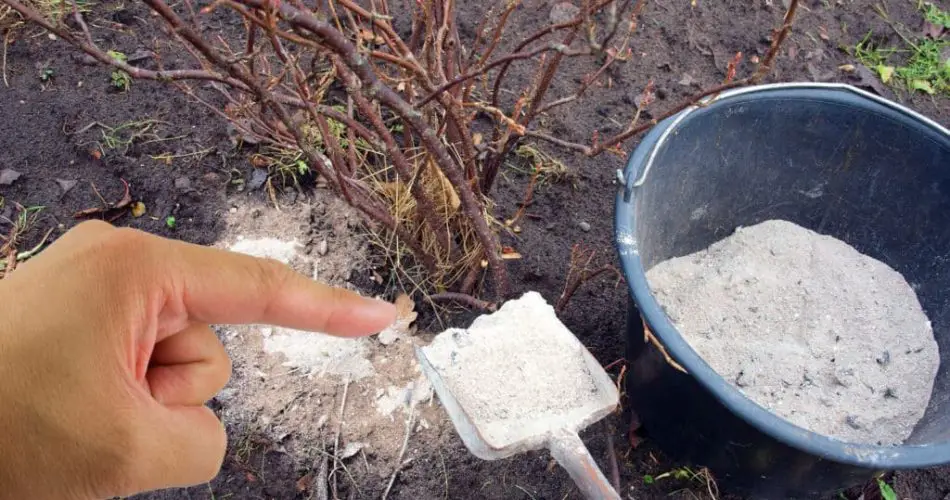
Wood ash is a highly beneficial natural fertilizer that can enhance soil quality in your garden or vegetable patch. Properly utilizing wood ash in the fall is key to preparing the soil for the upcoming growing season. Here’s how to make the most of this valuable resource:
1. Understanding Soil Compatibility: Wood ash should not be applied to alkaline soils. For best results, use the ash in its dry form during soil tilling. The recommended amount varies based on soil composition, typically ranging from 50 to 300 grams per square meter. Since wood ash has a long-lasting effect, it’s generally advised to apply it every 2-3 years.
2. Combining with Other Organic Fertilizers: Wood ash can be effectively used alongside other organic fertilizers such as peat, compost, humus, or biohumus. However, avoid mixing it with mineral nitrogen fertilizers, like ammonium sulfate or ammonium nitrate, as this can diminish their effectiveness. Also, steer clear of combining ash with nitrogen-phosphorus fertilizers or using it simultaneously with manure or poultry manure.
3. Application Tips: To ensure optimal results, incorporate the wood ash into the soil during the digging process. This helps integrate it well with the soil and makes its nutrients more accessible to plants.
By adhering to these guidelines, you can utilize wood ash to enrich your soil in the fall, enhancing fertility and potentially boosting your garden’s yield for the next growing season.