Watering: Even after harvesting the berries, continue to water your currant bushes, especially in dry summer conditions. Provide 3-4 buckets of water per bush every 2-3 weeks, adjusting frequency based on weather conditions.
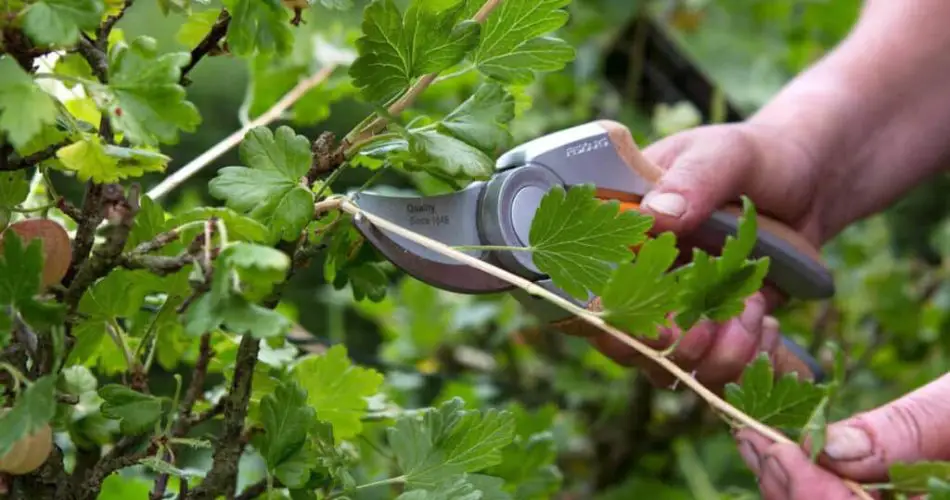
Pruning: This is a critical step. Remove old branches (4 years or older), as well as those growing inward, crossing each other, trailing on the ground, or showing signs of disease and pest infestation. Also, trim any leaves with visible damage.
Treatment: Following pruning, apply preventive treatments against pests and diseases. Opt for biological preparations such as “Fitoverm,” “Actofit,” “Actocid,” “Lepidocid,” or “Bitoxybacillin.”
Feeding: To stimulate new shoot growth and encourage the formation of fruit buds for the next season, feed currant bushes older than 3 years. Use a phosphorus-potassium mixture (2 tablespoons of superphosphate and 1 tablespoon of potassium sulfate per bucket of water). Apply fertilizers after watering the plants.
Additional Tips:
- Mulch around the bushes with straw, grass clippings, or sawdust to retain moisture and prevent weed growth.
- Regularly inspect bushes for signs of pests and diseases. Take prompt action at the first signs of damage.
- Maintain cleanliness by removing fallen leaves and branches from the site.
By following these straightforward guidelines, you can ensure your currant bushes receive proper care after harvesting, setting the stage for a productive harvest in the coming seasons.
Remember: Investing in the care of your plants guarantees their health and rewards you with generous yields.