The Calathea is more than just a beautiful addition to your home; it’s a natural air purifier with stunning, multicolored foliage that can transform any space. Originating from tropical regions, this elegant plant not only enhances your home’s decor but also improves air quality.
What Makes Calathea Special?
Known as the “peacock plant” due to its striking, colorful leaves that resemble a peacock’s tail, Calathea is part of the Marantaceae family and hails from South America, specifically Brazil and Peru. It can grow up to 70 centimeters indoors and over double that height in its natural habitat.
Aesthetic Appeal and Historical Significance
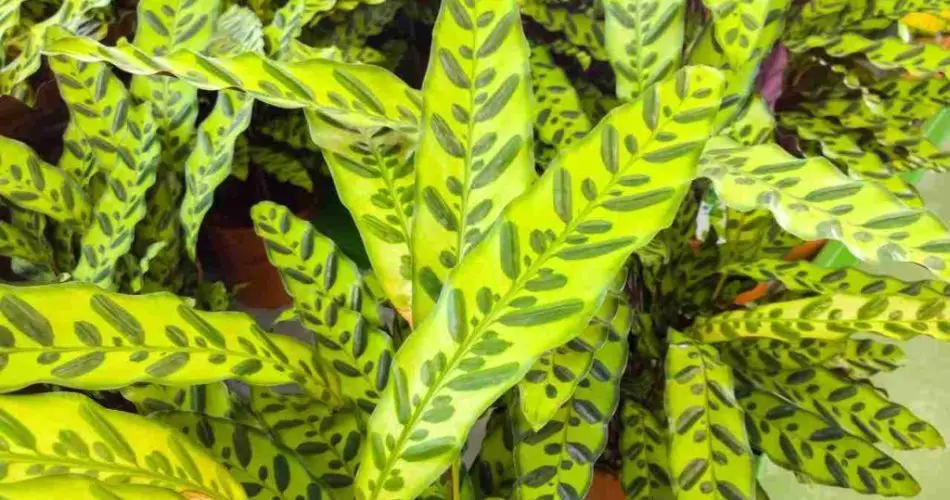
- Foliage: Its large, vibrant leaves come in shades of green, yellow, gray, red, and even pink, depending on the variety.
- Cultural Heritage: The plant’s name derives from the Greek word “kalathos,” meaning basket, as indigenous people once used its fibers for crafting clothing and tools.
- European Popularity: During the colonial era, Calathea became a favorite of European aristocrats, adorning their grand living rooms.
Air-Purifying Benefits of Calathea
Calathea acts as a natural air filter, removing toxins and improving indoor air quality. Its ability to eliminate harmful particles makes it a popular choice for living rooms, offices, and bedrooms.
Popular Calathea Varieties
- Calathea orbifolia: Features gray-striped leaves.
- Calathea insignis (Snake Plant): Known for its wavy, snake-like leaves.
- Calathea makoyana: Has pointed leaves in shades of red, green, white, and pink.
- Calathea ornata: Displays elongated, narrow leaves with a red underside.
- Calathea zebrina: Boasts light green and white streaks resembling a zebra’s coat.
How to Grow and Care for Calathea
Calathea thrives in conditions that mimic its rainforest origins. Follow these simple steps to grow it successfully:
1. Light and Temperature
- Lighting: Calathea prefers indirect light, making it perfect for indoor spaces. Direct sunlight can scorch its leaves.
- Temperature: Keep it in a range of 18–24°C (65–75°F) for optimal growth.
2. Humidity and Soil
- Humidity: High humidity is essential. Use a saucer with stones and a bit of water underneath the pot for a humidifying effect.
- Soil: Use well-draining, nutrient-rich soil with a mix of perlite, peat, and sand.
3. Watering and Pruning
- Watering:
- Summer: Water once a week, ensuring the soil stays slightly moist.
- Winter: Water every two to three weeks.
- Avoid wetting the leaves.
- Pruning: Trim yellow or dry leaves at their base. Pruning can be done year-round but should be minimal.
Outdoor Cultivation
Calathea can be grown outdoors in warm, humid climates, but ensure it’s placed in a shaded area to avoid leaf damage from direct sunlight.
Transform Your Home with Calathea
Whether it’s the striking orbifolia or the colorful makoyana, Calathea is a statement plant that purifies the air while adding a touch of tropical elegance to your space. Follow these care tips, and you’ll enjoy a healthier, more vibrant home!