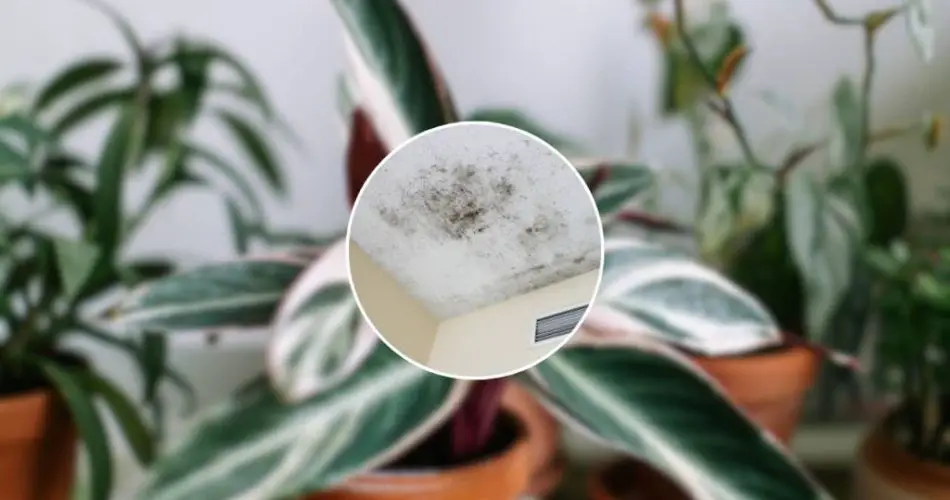
Using fragrant plants to combat mold in the home is a natural and aesthetically pleasing method.
Here are some plants that can help eliminate mold and how to use them effectively:
- Ferns: Ferns are known for thriving in humid environments. They absorb moisture from the air, making them ideal for damp areas. By placing ferns in high corners or shelves, their cascading leaves can create a scenic effect while effectively capturing humidity.
- Sansevieria (Snake Plant): Sansevieria, with its large pointed leaves, is a succulent plant that absorbs humidity without needing direct sunlight. It’s perfect for lower corners where mold tends to form.
- Orchids: Orchids, originating from tropical regions, thrive in humid conditions. They absorb moisture from the air, helping to reduce humidity levels in the home. Orchids require good brightness, so place them in well-lit areas.
- Pothos: Pothos is a versatile plant that can grow in soil or water. It has heart-shaped leaves and is resistant to mold. Placing pothos in areas with high humidity can help prevent mold growth.
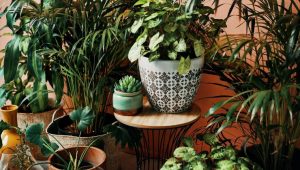
To effectively use these plants against mold:
- Place downward-growing plants like ferns on high surfaces such as shelves.
- Position upward-growing plants like sansevieria and orchids on the ground or on small elevations.
- Consider growing multiple varieties of plants in the same room for added aesthetic appeal and mold prevention.
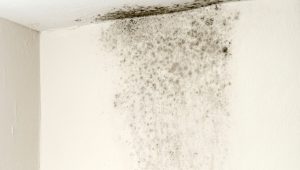
While these fragrant plants can help reduce the likelihood of mold formation, they may not completely eliminate it, especially in severe cases of high humidity. In such situations, consulting experts in the field may be necessary for a definitive solution. Nonetheless, incorporating these plants into your home can offer both visual beauty and a natural defense against mold.
Show Comments