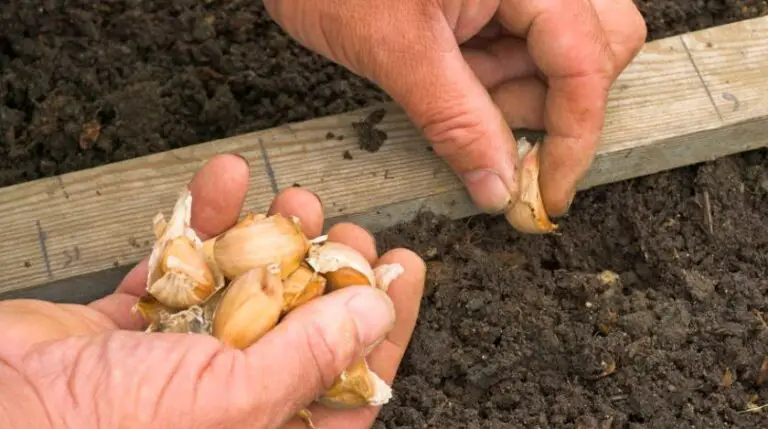
Garlic is often considered a low-maintenance plant that can grow in a variety of soil types, but if you want to harvest large, healthy garlic bulbs, it’s important to follow good crop rotation practices. By planting garlic in soil that’s been properly rotated, you can avoid diseases that affected previous crops and give garlic the best chance to thrive. Here’s a guide to which crops should be planted before garlic for optimal growth.
Best Crops to Plant Before Garlic
1. Deep-Rooted Plants
Garlic prefers soil that has been loosened by plants with deep roots. Since garlic’s roots are small and grow in the upper layer of the soil, it benefits from the aeration provided by deep-rooted plants. Avoid planting garlic in soil that has been compacted by shallow-rooted crops.
2. Siderates (Green Manure)
Siderates, or green manure crops, such as forage grasses and cereals, are excellent for growing garlic. These plants improve soil structure and nutrient content, making the soil ideal for garlic. Just be sure not to plant garlic directly after rye or barley, as these crops can create conditions that are too dense for garlic to grow well.
3. Legumes (Beans, Peas, Chickpeas, Soy)
After growing beans, peas, chickpeas, or soybeans, the soil becomes rich in nitrogen, loose, and well-aerated. These are perfect conditions for garlic to thrive. The soil will be more fertile and conducive to strong, healthy garlic growth.
4. Mustard
If mustard was grown on the plot previously, this is a great option for planting garlic. Mustard acts as a natural soil disinfectant, which can help reduce disease pressure in the soil, making it safer for garlic planting.
5. Cabbage and Cauliflower
After early varieties of cauliflower and cabbage, the soil is typically well-prepared for garlic. These plants don’t deplete the soil of nutrients needed by garlic, and the soil remains loose and fertile, making it a good choice for garlic planting.
6. Cucumbers
Cucumbers often benefit from organic fertilizers, and these fertilizers can help garlic grow robustly in the same soil. However, be sure to avoid using fresh organic matter (like manure) when planting garlic, as this can cause issues with growth.
7. Pumpkins, Squash, and Zucchini
While these crops share similar diseases with garlic, they are generally good predecessors because they don’t affect garlic negatively when planted in rotation. Just be cautious of overlapping disease pressure, as it could affect both crops.
Avoid Planting Garlic After These Crops:
- Rye and Barley: These crops tend to create dense soil that is not ideal for garlic.
- Other Alliums (like onions or leeks): Planting garlic after other allium crops can increase the risk of disease and pest infestations, such as onion fly or downy mildew.
By following proper crop rotation practices and planting garlic after the right crops, you can ensure that your garlic grows large, healthy, and free of disease.