As spring breathes renewed life into the air, the rhythmic dance of gardeners begins as they prepare their vegetable sanctuaries for a season of growth. Amidst the myriad choices for a home garden, asparagus emerges as a resilient and gratifying perennial. While its delectable harvest takes a bit over two years to manifest, the cultivation of asparagus transforms gardening into a captivating adventure, blending patience and knowledge.
Growing asparagus requires an alchemical blend of time and understanding, turning the act of nurturing into a delightful journey. Beyond gracing your plate, asparagus contributes both elegance and productivity to your vegetable haven, creating a symbiotic dance with beneficial insects. Here, we embark on a voyage through six distinctive secrets that will pave the way for a flourishing asparagus haven.
1. Diverse Horticultural Delights:
The enchanting world of asparagus unfolds into two primary types—namely, the time-honored “Jersey” and the innovatively “Improved.” While Jersey varieties exude heirloom charm and typically take around three years to bear fruit, the Improved varieties, including the likes of Martha Washington and Mary Washington, boast accelerated growth and an earlier fruiting cycle. For those yearning for a swift harvest, especially first-time asparagus cultivators, opting for an Improved variety proves to be a judicious choice.
2. Size Signals Triumph:
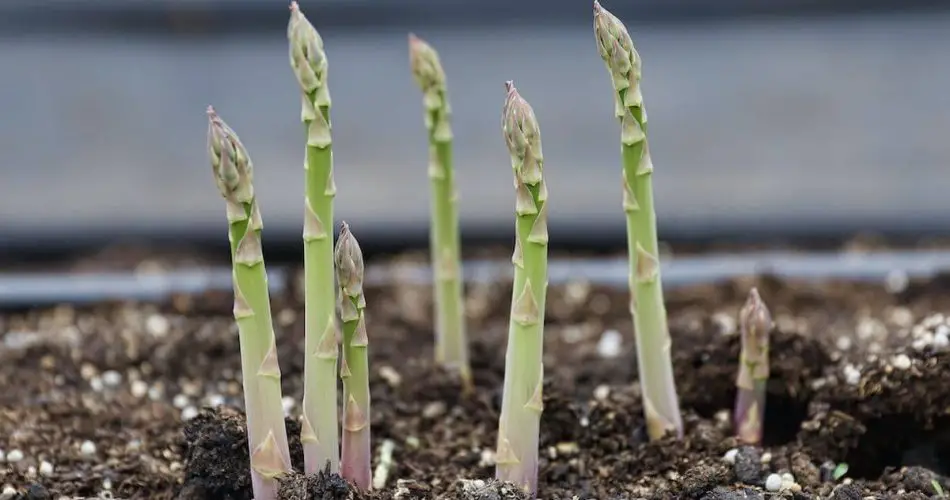
When selecting young asparagus plants, the size becomes a pivotal factor. Opt for plants that stand proudly at a height of 6 inches, ensuring robust root establishment and a promising growth trajectory. Steer clear of diminutive seedlings, as they demand meticulous care and may not evolve into thriving asparagus plants.
3. Sunlight’s Embrace:
While asparagus thrives in abundant sunlight, subjecting young plants directly to its full force can be overwhelming. Initiate their journey in a space receiving 4 to 6 hours of daily sunlight. After three weeks, gradually transition them to an area basking in six to eight hours of sunlight per day, whether in the morning or afternoon. Avoid prolonged exposure to prevent sunburn and plant stress.
4. Planting Precision:
The timing of asparagus planting becomes a pivotal factor in its success. For warmer climates, January or February planting proves optimal, while cooler climates benefit from a planting window between September and October. Asparagus yearns for full sun and well-drained soil. Fall planting, while viable, necessitates protection from winter’s chill. The pinnacle of planting perfection aligns with fall, ensuring soil temperatures between 5 and 10°C and resilience against frost.
5. Watering Wisdom:
Strike a harmonious balance in watering your asparagus—providing adequate hydration without inducing waterlogging. Employ a soaker hose or drip irrigation system for targeted root moisture. A 2 to 3-inch organic mulch aids in moisture retention and suppresses weed growth. Asparagus, preferring infrequent yet deep watering, not only thrives but also enhances its flavor.
6. Fertilization Flourish:
For young asparagus plants, enrich the soil pre-planting by bestowing a 3cm layer of compost or manure around the base. Blend this organic goodness lightly with the soil beneath. Generous watering post-planting sets the stage for a robust start. Deep, well-drained soil emerges as the ideal milieu for asparagus growth, and less frequent but profound watering elevates the taste of the eventual harvest.
Harvest Symphony:
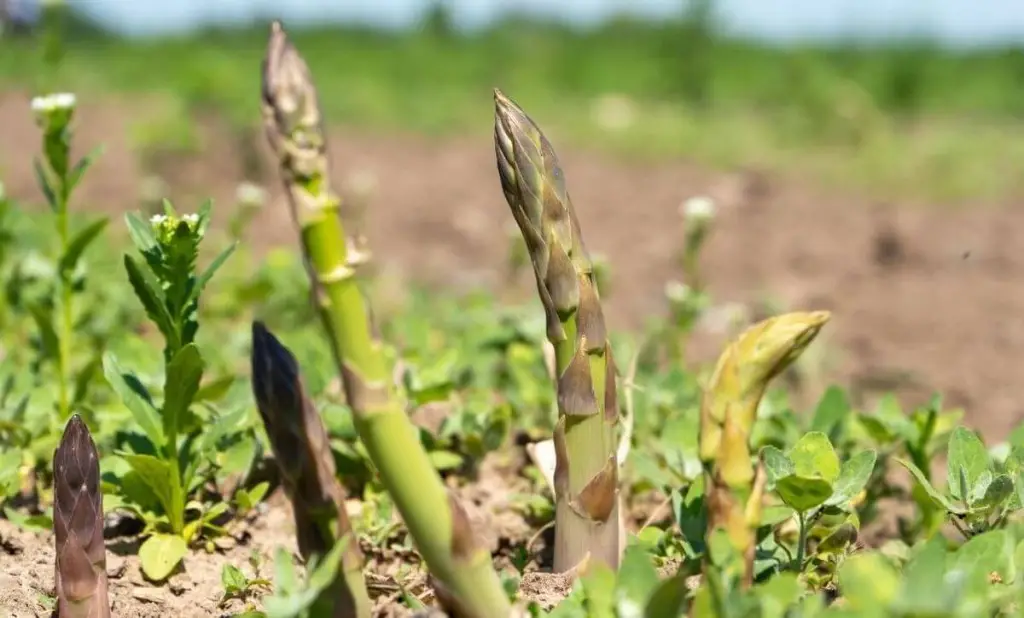
Harvesting asparagus demands a symphony of patience and strategic planning. Safeguard the crowns by harvesting only mature shoots initially. With a growth rate hovering around 1 inch per day, wield a sharp knife to harvest spears when they attain a length of 6 to 8 inches. Each asparagus plant typically yields for seven years, and the appearance of smaller or stringy spears signals the need for a graceful replacement.
Decoding the Asparagus Riddle:
Gardening enthusiasts often find themselves entangled in the mystery of small asparagus spears. Fret not, for this occurrence is entirely normal. To amplify your yield by at least 30%, drape the bed with black plastic post-harvest for a four-month hiatus. This technique preserves soil warmth, compelling the plants to produce larger spears in the ensuing year.
Embark on the verdant journey with asparagus, letting each season unfurl new lessons in your gardening escapade. Share your experiences and join the gardening discourse in the comments. Happy gardening! 🌿