Currant bushes are known for their resilience to various climatic and soil conditions, making them a favorite among gardeners. Not only are the berries delicious, but currant leaves are also used for drying, making tea, and in recipes for pickles. Additionally, currants are rich in vitamin C and fruit acids, with each type—black, white, and red—boasting unique characteristics.
If you want to achieve a record harvest of currants next summer, follow these five post-harvest steps:
Step 1: Proper Pruning Care
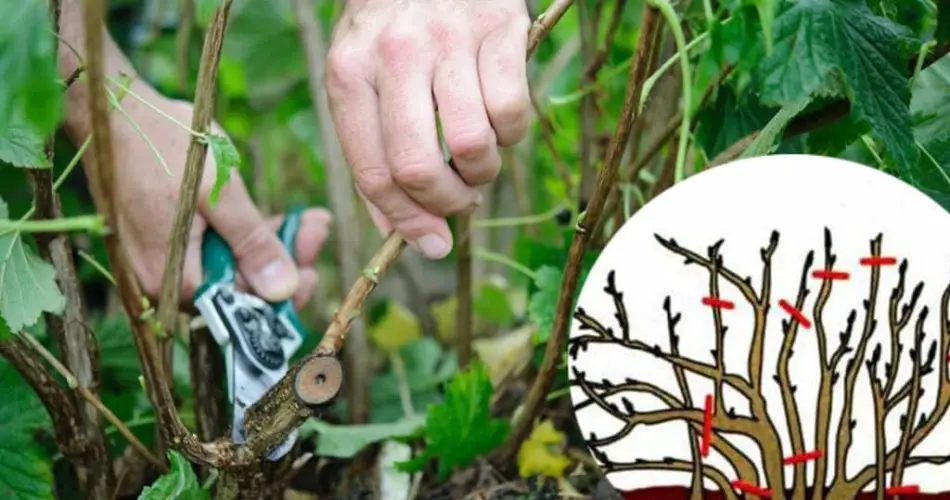
- Remove Old Branches: Start by cutting out any old branches that grow inward in the center of the bush, as these hinder its development.
- Cut Back Low-Lying Branches: Trim any branches that are growing close to the ground.
- Shorten Young Shoots: To encourage the formation of future buds, shorten young shoots by 5-8 centimeters.
Step 2: Provide Adequate Watering
After pruning, give your currant bushes a good drink of warm water. Use 2 buckets of water for red and white currants, and 3-4 buckets for black currants.
Step 3: Fertilizing for Stronger Soil
To help your bushes thrive through winter, dissolve potassium sulfate, superphosphate, and wood ash in a bucket of cool water. Use this solution to feed your currant bushes.
Step 4: Protection Against Diseases and Pests
Preventative treatment is crucial at any growth stage. Spray the bushes with a 1% solution of Bordeaux liquid (a mixture of copper sulfate and milk of lime) to protect against diseases and pests.
Step 5: Propagate Currants by Cuttings
After pruning, you can propagate new currant bushes from healthy twigs. This method allows you to expand your garden with minimal effort.
Conclusion
By following these simple tips, you can boost your currant yield to record levels for the next season. Happy gardening!